
United Nations reports on illegal adoption network in Guatemala during the U.S. and Western-backed repression and genocides of the 1980s
In March, Rights Action posted an update about the struggle against institutionalized corruption, violence and impunity in Guatemala. The post includes a Prensa Comunitaria article about how Consuelo Porras, Attorney General from May 2018-May 2026, was director of the Elisa Martínez Temporary Home that illegally offered into adoption infants kidnapped and stolen from their parents by the military regimes.
Below: a United Nations report addressing the illegal adoption network
UNITED NATIONS WARNS ABOUT ILLEGAL ADOPTION NETWORK IN GUATEMALA
UN experts alarmed by reports of historic illegal adoptions and alleged role of senior official in Guatemala | OHCHR
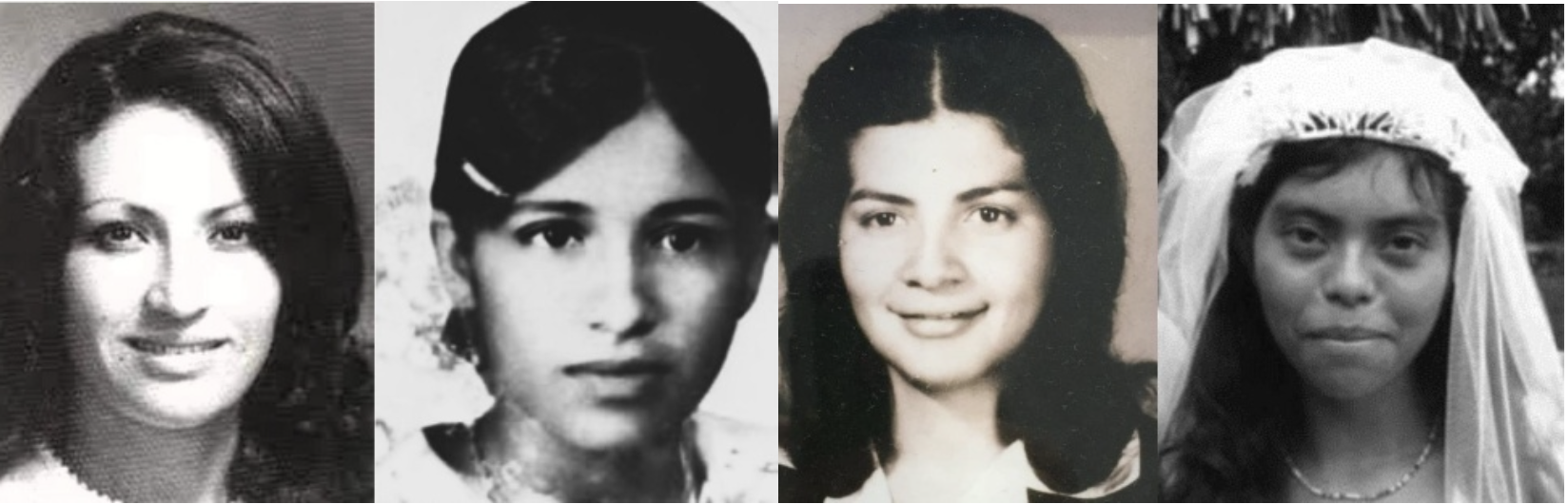
Photos of pregnant women forcibly disappeared by the Guatemalan State
UN experts denounced a possible system of illegal international adoptions that affected at least 80 indigenous children in Guatemala in 1982, after their passage through the "Elisa Martínez Temporary Home". The minors had previously been victims of kidnapping and forced disappearance, which places the case in the context of serious human rights violations during the years of the conflict.
Anthropologist José Roberto Paz Gularte pointed out in an interview on the program Con Criterio that irregular adoptions were not isolated events, but part of a systematic structure that allowed families to be separated, identities altered and minors [sold for] profit. According to their research, the adoption files present inconsistencies that point to the possible participation of different actors, including state sectors.
At the international level, this phenomenon has been documented by organizations such as Lost Roots of Belgium that accompanies people adopted in Europe, as they search for their Guatemalan origins. The research reveals common patterns: absence of consent from biological families, altered records, and opaque processes that facilitated the departure of minors from the country.
There are efforts in Guatemala to reunite families. An example of this is the work of the Mental Hygiene League that has facilitated reunions between people adopted internationally in Europe and Canada with their biological families.
Beyond work in support of children looking for their biological parents, there are family members of pregnant women forcibly disappeared during the conflicto who are looking for the children of the kidnapped women. These processes, in addition to providing evidence, expose the emotional and social impact of decades of forced separation, as well as the urgency of state mechanisms to accompany these searches.
The case acquires a current political dimension due to complaints about the alleged involvement of public officials, including Attorney General María Consuelo Porras Argueta, who would have had a role as legal guardian of minors during that period. Although the accusations have not been clarified, the UN warns that any process of appointment or re-election of authorities must consider these allegations.
Beyond the judicial sphere, the issue reopens a deep social wound: hundreds of people continue to search for their identity and their families, while national and international pressure to clarify what happened grows. For experts and organizations, the challenge is not only to investigate the past, but to guarantee truth, justice and reparation in a case that shows a historical debt to the families of Guatemala.
More information
JURISTnew English: UN raises alarm over Guatemala illegal child adoptions - JURIST - News
Salud de Higiene Mental Guatemala español: Institución de salud mental para las y los guatemaltecos
PLATAFORMA CANADA English: https://www.facebook.com/share/p/1W6Q9c1HgC/
PLATAFORMA CANADA Français : https://www.facebook.com/share/p/18vobijY6N/
Con Criterio español: Con Criterio | Adopciones ilegales
Con criterio español: programa sobre adopciones ilegales, entrevista con el antropólogo José Roberto Paz Gularte https://www.facebook.com/reel/958751433585400
Mariela SR-Coline Fanon participante en el grupo Raices, y su libro Mamá no estoy muerta español: https://www.ebobea.com/mariela-sr-coline-fanon